Description
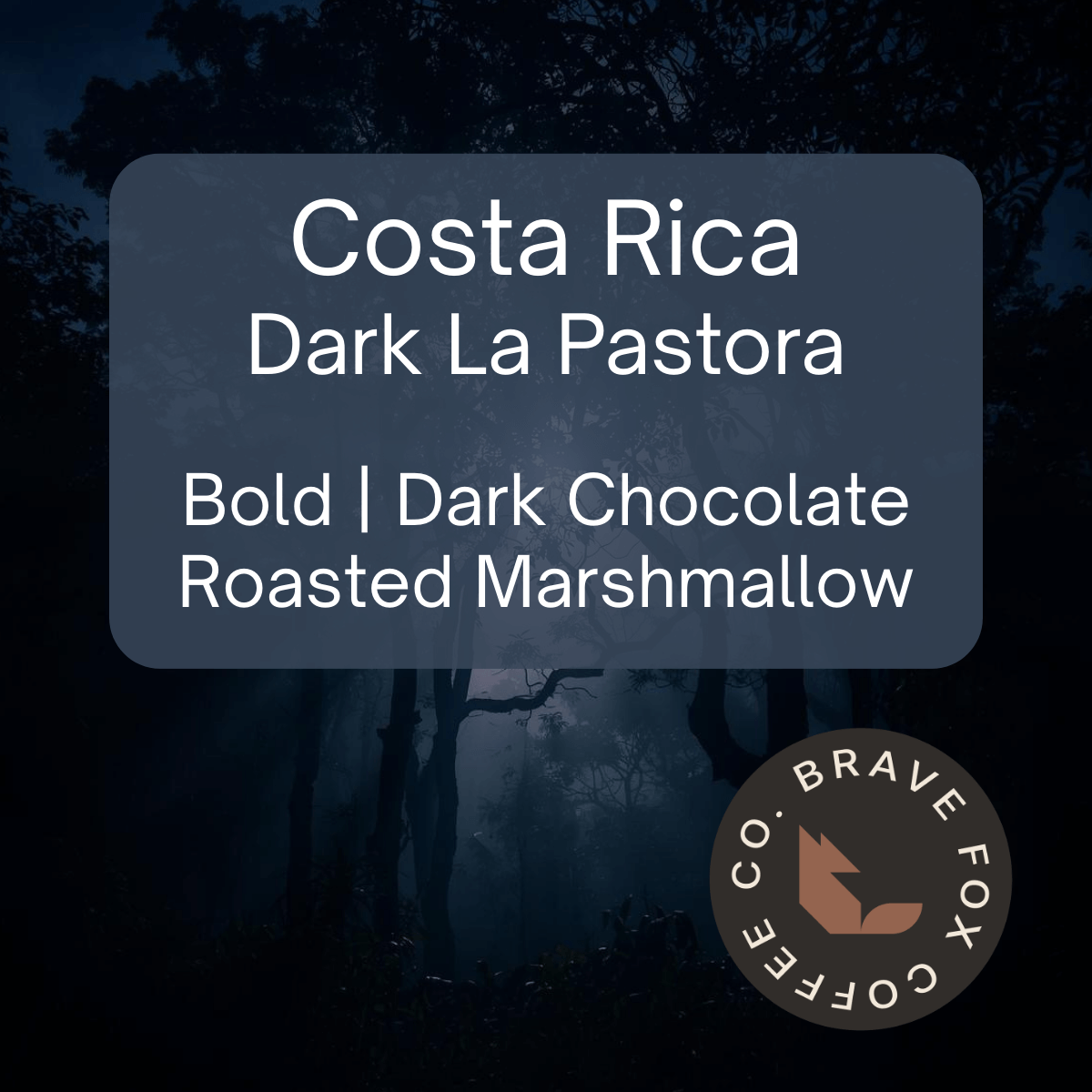
Dark La Pastora
Origin: Costa Rica, Tarrazu
Roast: Dark
Tasting Notes: Bold, Dark Chocolate, Roasted Marshmallow, sweet yet intense, smooth yet strong
Process: Washed, Sun-Dried, Mechanically Raised
Altitude: 1200-1800m
This coffee is our longest-standing and most popular coffee and the right place to start if you need an intense hit of coffee. The bold, smooth and elegant way this coffee roasts dark is impeccable and much needed for any dark roast coffee lover.
If you are looking for the best espresso beans or simply to fill your drip coffee maker, the LA Pastora fits the bill if you love dark roast, get this coffee!
More Info:
La Pastora is a well-regarded coffee farm located in Costa Rica, known for producing high-quality specialty coffee.
Overview
- Location: La Pastora is situated in the region of Tarrazú, Costa Rica, which is celebrated for its ideal coffee-growing conditions. Tarrazú is known for its high altitude, rich volcanic soil, and favorable climate, all of which contribute to the distinctive flavor profiles of its coffee.
- Farm Name: “La Pastora” roughly translates to “The Shepherdess” in English. The name reflects a personal or historical connection, often linked to the farm’s history or ownership.
Coffee Characteristics
- Varieties: La Pastora typically cultivates Arabica coffee varieties. These varieties are known for their complex flavors and aromatic qualities.
- Flavor Profile: Coffee from La Pastora often exhibits a bright acidity, medium to full body, and a range of flavor notes including citrus, caramel, chocolate, and floral undertones. The high altitude of Tarrazú helps to develop the coffee’s nuanced and vibrant flavors.
- Processing: The farm usually employs processing methods that highlight the quality of their beans. Common methods include washed (or wet) processing, which can enhance the clarity and brightness of the coffee’s flavor.
Sustainable Practices
- Environmental Stewardship: La Pastora, like many farms in Costa Rica, likely engages in sustainable farming practices. These can include organic farming techniques, conservation of water resources, and methods to protect local biodiversity.
- Community Impact: Coffee farms in Costa Rica often play a significant role in their local communities by providing employment, supporting local infrastructure, and engaging in community development initiatives.